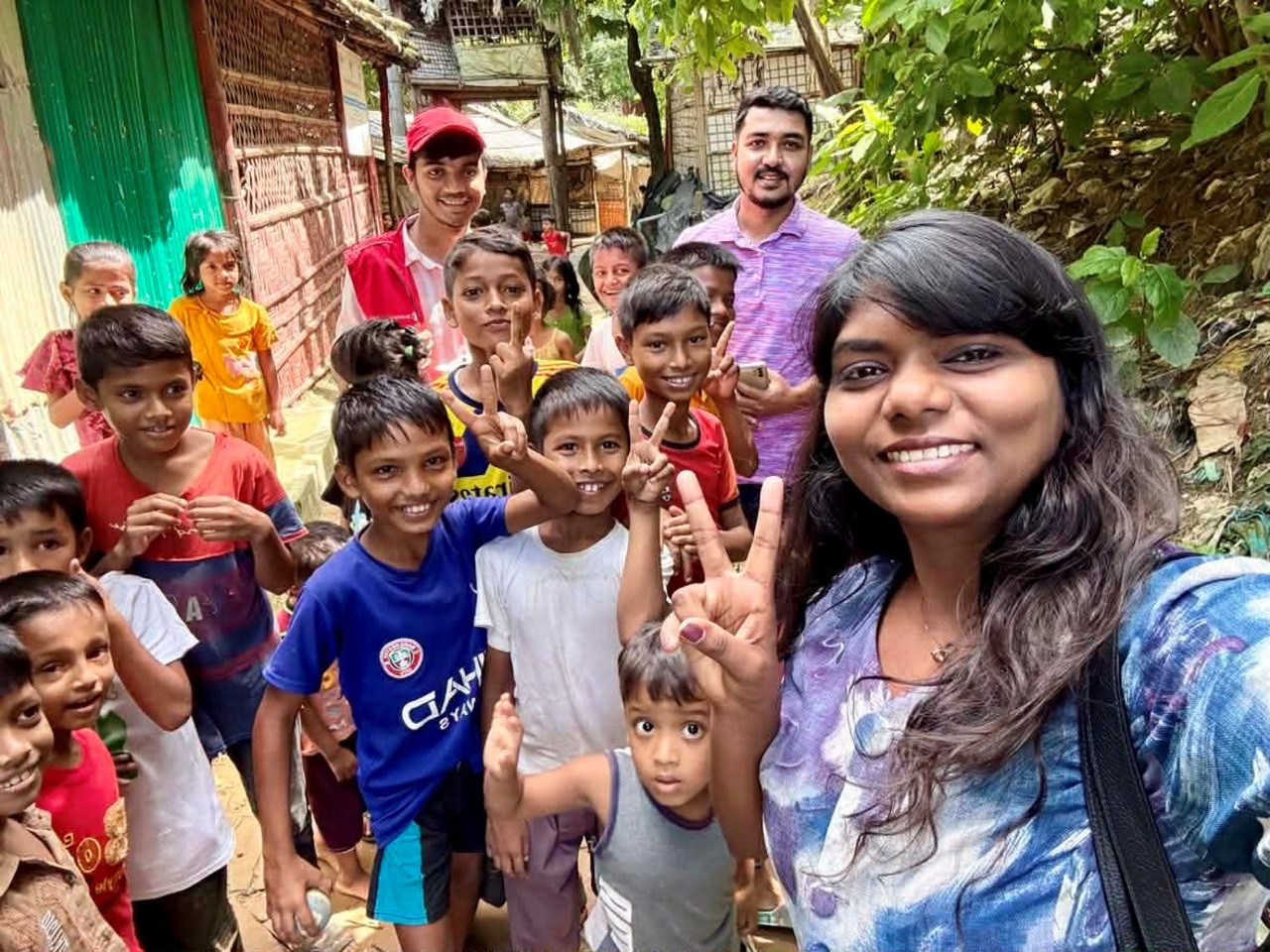
As part of my MSCA-CZ fellowship at Palacký University Olomouc, I spent three months in summer and autumn conducting fieldwork across India and Bangladesh, investigating how Rohingya refugees navigate increasingly securitized spaces and examining the daily impacts of securitization policies on their lives.
Beginning in Delhi
I began my fieldwork in Delhi, where I conducted interviews and community engagements with Rohingya refugees living in makeshift settlements. Through conversations with women and men in these communities, I learned about the pervasive impact of securitization policies—frequent identity checks by authorities, constant fear of detention, and the challenges of living without legal documentation. The settlements are subject to regular surveillance, creating an atmosphere of constant fear.
What struck me most was how families have adapted to these conditions. They limit movement outside settlements, rely on trusted intermediaries for essential services, and maintain low profiles to avoid attracting attention. These restrictions ripple through every aspect of daily life, limiting access to healthcare, education, and employment, forcing many into informal and precarious work.
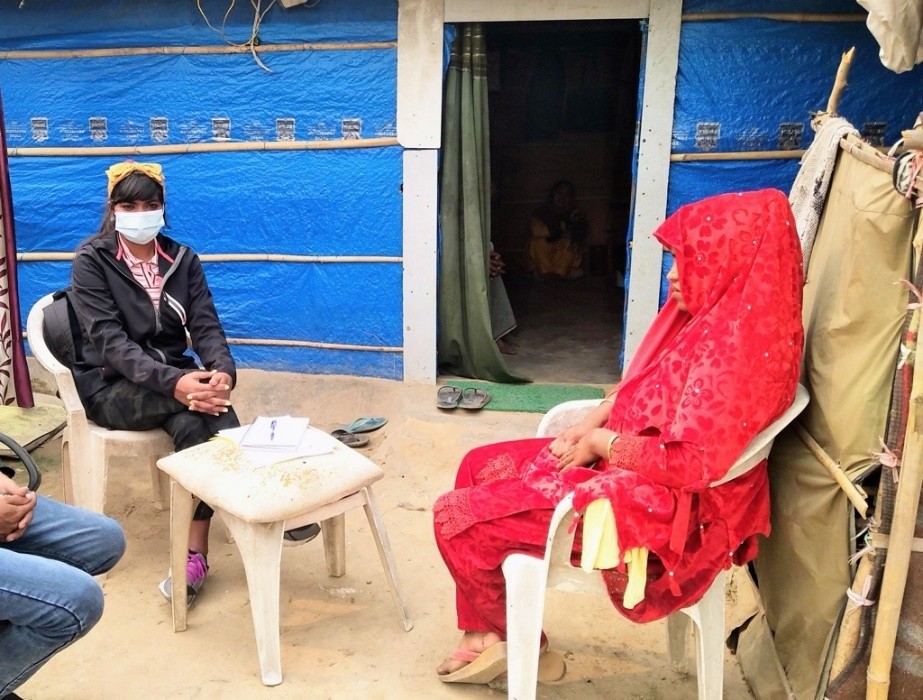 Photo 1. In-person interview with a Rohingya woman in Delhi, discussing her journey, livelihood challenges, and aspirations for the future
Traveling to Bangladesh
After this initial phase, I traveled to Chittagong, Bangladesh, where I served as a Visiting Scholar for one month at the Refugee and Migration Lab under Professor Nasir Uddin's mentorship. I conducted fieldwork in Cox's Bazar district—the world's largest refugee camp—visiting Kutupalong-Balukhali Expansion Site, Hakimpara Camp, Leda Camp, and Kutupalong Refugee Camp.
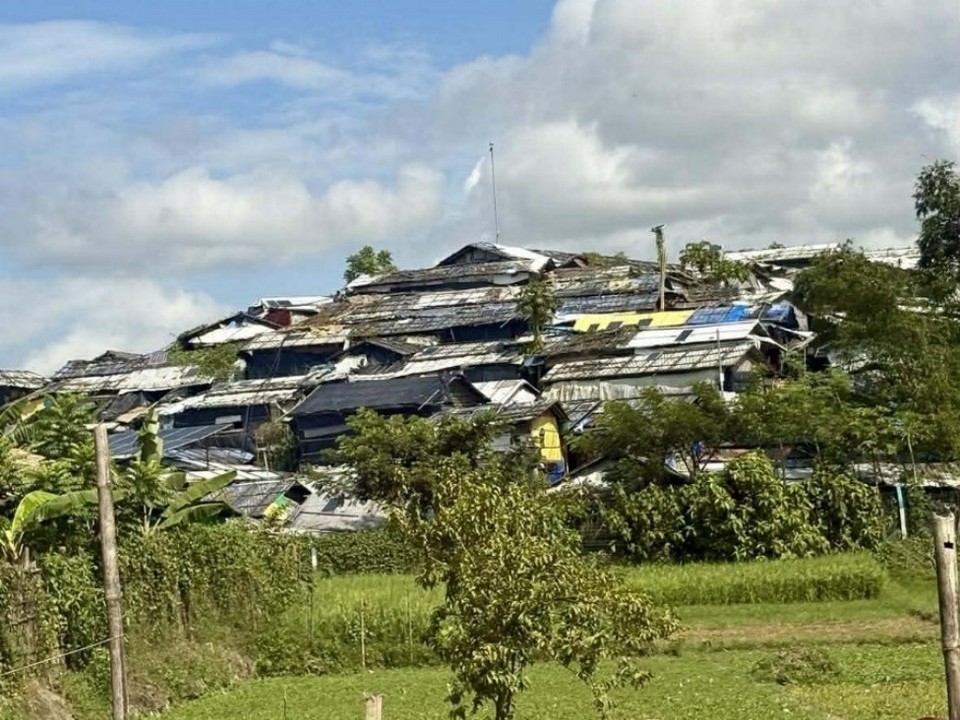 Photo 2. View of Camp 14, one of the largest settlement areas
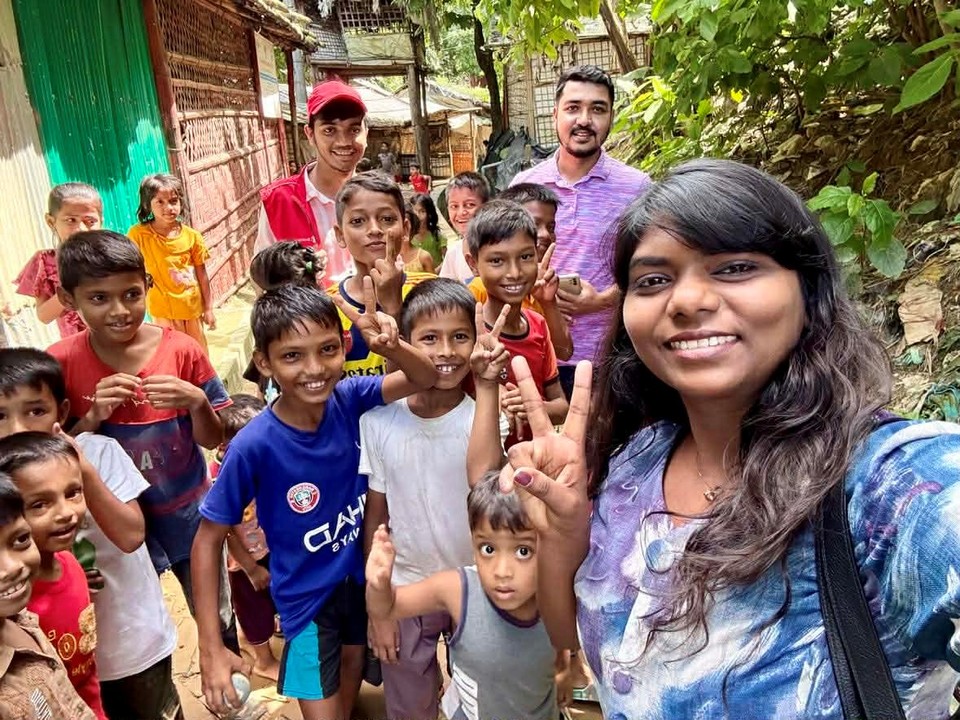 Photo 3. Moments with Rohingya children in Camp 8E
The camp environment revealed securitization in its most structured form. Checkpoints, movement restrictions, and registration systems control every aspect of refugee mobility. Biometric registration and digital identity systems create comprehensive surveillance infrastructures. Refugees are prevented from formal employment or higher education perpetuating dependency. This phase allowed me to compare Bangladesh's camp-based approach with India's urban settlement model—two very different manifestations of the same securitization logic.
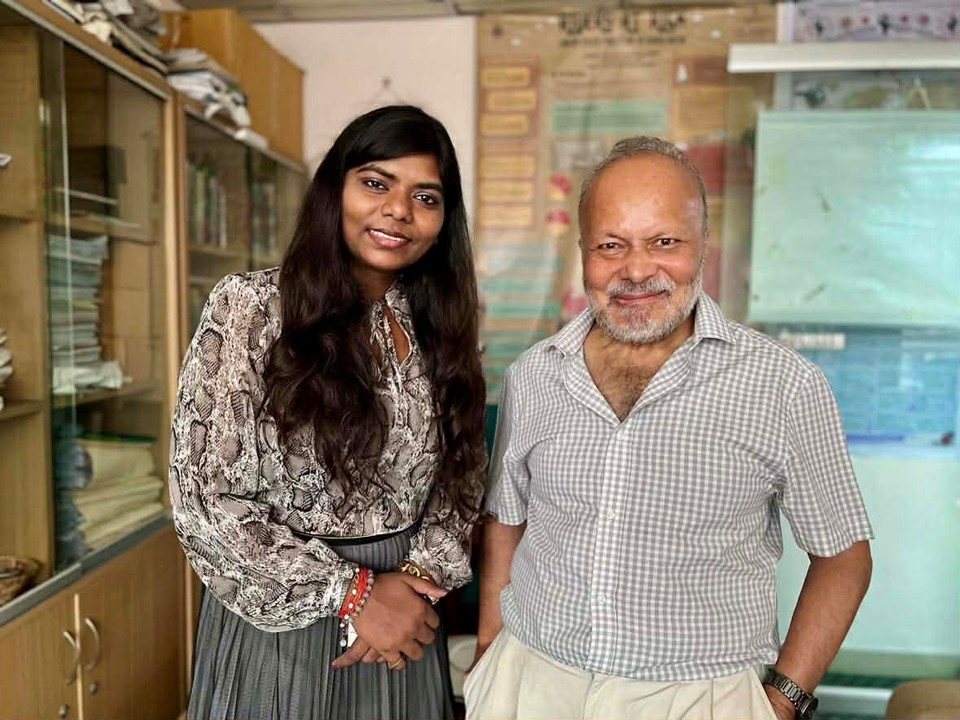 Photo 4. A photo with Prof. Imtiaz A. Hussain, Global Studies & Governance Department, Independent University, Bangladesh
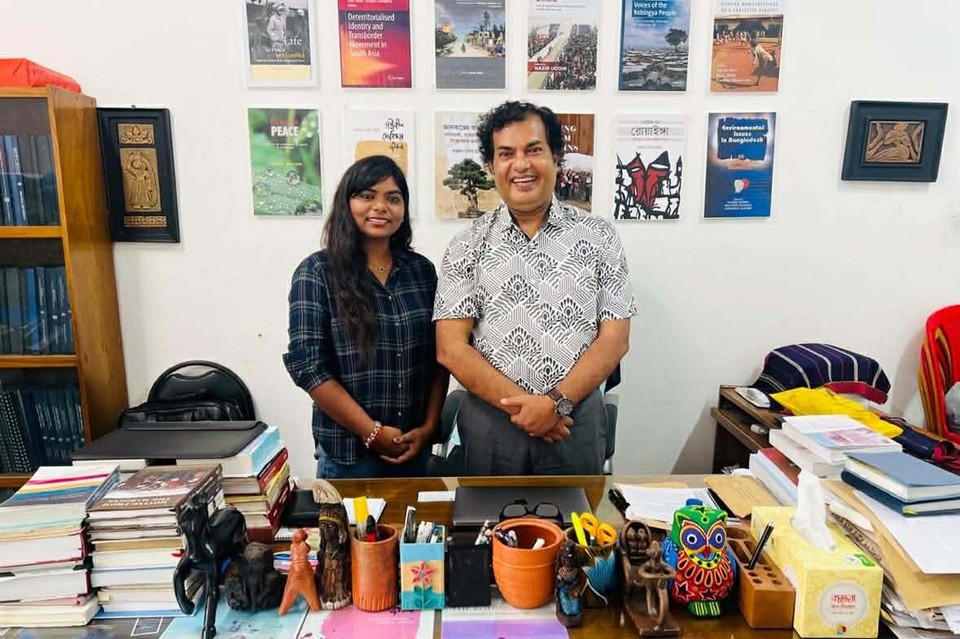 Photo 5. A photo with Professor Nasir Uddin, Anthropology Department, University of Chittagong, Bangladesh)
During this time, I presented my paper "Belonging Beyond Borders: Rohingyas, Citizenship, and Identity in the Indian Context" at the International Conference on the 8th Rohingya Genocide Remembrance Day 2025 at the University of Chittagong. The conference brought together scholars, activists, and human rights advocates to reflect on the ongoing plight of the Rohingya people. My presentation explored how India's policies intersect with the Rohingya experience and the profound impact of statelessness on communities. This work has been published by Oxford University Press and is available here: https://doi.org/10.1093/9780198945222.003.0014
Also. I delivered guest lectures at the University of Chittagong's Department of International Relations and at Independent University, sharing insights on migration securitization and digital governance. Working with Professor Nasir Uddin and the RML team provided invaluable training on conducting research in highly securitized settings and ethical engagement with vulnerable populations. I participated in RML's "Work in Progress" seminar, where I shared preliminary findings and received constructive feedback from a network of scholars working on migration governance and security studies.
Returning to India
Back in India, I continued fieldwork across Delhi, Mathura, Jammu, and Hyderabad, examining how securitization policies are implemented differently across regions. The variations were striking—Jammu experiences particularly stringent monitoring due to border proximity, while the nature of surveillance and documentation requirements varies considerably across states.
In Mathura, I spoke with men running small informal shops inside settlements who described how the lack of work permits and fear of arrest pushes them into marginal economic activities, often subject to exploitation. Women I interviewed highlighted how mobility
restrictions affect their access to healthcare, particularly maternal and child health services, and how fear prevents them from seeking help during emergencies.
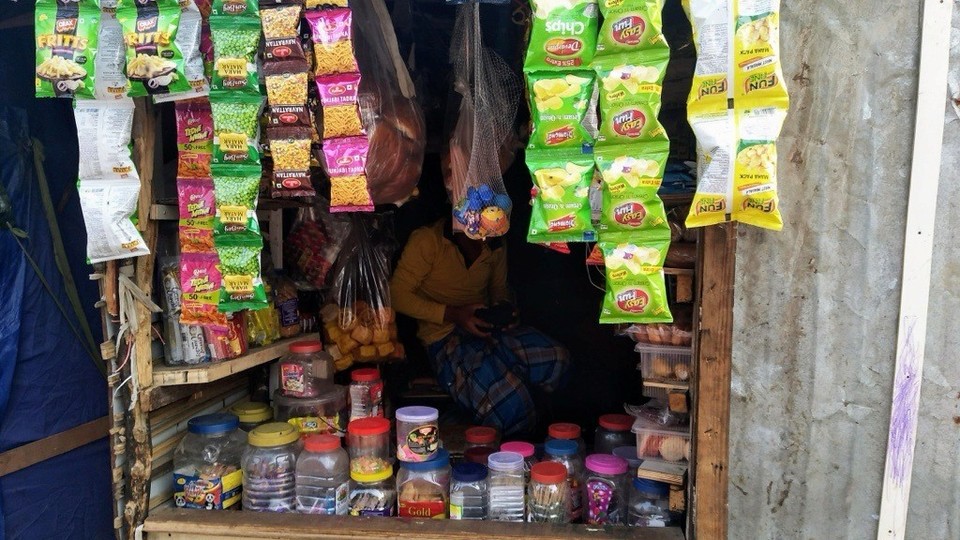 Photo 6. A Rohingya man in Mathura running a small informal shop inside the settlement
Yet amid these challenges, I also documented remarkable resilience. Community members have built informal networks and support systems—information-sharing about police movements, mutual aid for financial emergencies, and collective strategies for advocating with local authorities. Many respondents described the psychological toll of constant anxiety and hypervigilance, living under perpetual threat of deportation.
Reflections
The fieldwork revealed the pervasive and multi-layered nature of securitization—how policies designed in the name of national security create precarious conditions, restrict fundamental freedoms, and push vulnerable populations further to the margins. The comparative perspective gained from observing both camp-based and urban settlement contexts has deepened my understanding of how securitization operates across different spatial and administrative configurations.
Beyond the data collected, this experience reinforced the importance of listening to those most affected by these policies. Understanding their lived experiences is essential for developing more humane and rights-based approaches to migration governance.
I am deeply grateful to all the Rohingya community members who shared their experiences and to all those that made my trip possible.
If you want to know more about my project, see HERE.
Acknowledgement: This work was supported by the OP JAC Project “MSCA Fellowships at Palacký University III.” CZ.02.01.01/00/22_010/0008685, run at Palacký University in Olomouc, Czech Republic.